
Five of Swords Tarot Card Meaning (Upright, Reversed, Love & Yes/No)
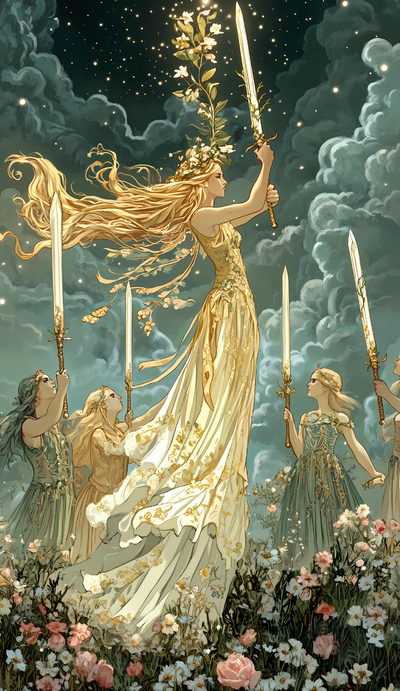
There’s a sharp, unsettling edge to pulling this card — like catching a glimpse of yourself in a mirror and not quite liking what you see. The five of swords tarot card meaning cuts to the heart of conflict, ego, and the cost of winning at all costs. It’s not a comfortable card, but it’s one of the most honest in the deck.
The Five of Swords tarot card represents conflict, hollow victory, and moral compromise. In love, it signals tension, power struggles, or a relationship that’s become more battlefield than sanctuary. In career, it warns against ruthless tactics and toxic competition that ultimately leave everyone worse off.
Here is a quick summary of the Five of Swords tarot card meaning:
| Aspect | Meaning |
|---|---|
| Upright | Conflict, defeat, winning at others’ expense, ego battles |
| Reversed | Moving past conflict, reconciliation, or prolonged bitterness |
| Love | Arguments, power struggles, toxic dynamics or walking away |
| Career | Workplace conflict, unfair competition, pyrrhic victories |
| Yes / No | No |
| Element | Air |
| Numerology | 5 (change, disruption, challenge) |
| Astrological Sign | Venus in Aquarius |
What Does the Five of Swords Tarot Card Mean?
At its core, the five of swords tarot meaning circles around one uncomfortable question: was it worth it? The figure standing victorious in the card holds all the swords, yet the other characters walk away dejected — and the winner doesn’t look particularly happy either. That’s the real message here. Winning isn’t always winning.
The meaning of the five of swords tarot card stretches across situations where conflict has taken center stage — arguments that escalate beyond repair, competitions that turn dirty, or moments where someone prioritizes being right over being kind. The Air element amplifies this mental and communicative energy, making words the primary weapon.
Five is a number of disruption in numerology. It shakes things up, forces confrontation, and rarely lets anyone off easy. When this card appears, it’s rarely subtle. Many people find this card surfaces during periods of heightened stress, when tensions that have been simmering finally boil over and someone says the thing that can’t be unsaid.
Five of Swords Tarot Card Interpretation
In readings, this card often lands with a kind of thud — you see it and your stomach drops a little, especially if you already know there’s conflict brewing in your life. The five of swords tarot interpretation isn’t simply “something bad is happening.” It’s more nuanced than that. It asks you to look honestly at who’s driving the conflict and what the real cost is.
Sometimes this card points to you as the victor who’s burned bridges to get there. Other times, you’re the one walking away with nothing. In practice, this often shows up as workplace disputes, breakups, or family fallouts where pride has overridden wisdom. The key interpretive question is always: what are you willing to lose to win this fight?
Five of Swords Tarot Card Upright Meaning
When the Five of Swords appears upright, it’s asking you to look clearly at the battles you’re engaged in. Are they worth fighting? This card often signals a situation where someone — possibly you, possibly another person — is pursuing victory through manipulation, intimidation, or sheer stubbornness. The win, if it comes, will feel hollow.
There’s also a strong theme of self-sabotage here. Sometimes the conflict is internal — the endless mental loop of replaying arguments, mentally “winning” debates that happened years ago, or holding onto grievances that are quietly poisoning your own peace. Many people find this card appears when they’ve been in a prolonged dispute and are starting to wonder whether fighting on is actually serving them anymore.
The upright Five of Swords can also be a wake-up call to choose your battles more wisely. Not every argument deserves your energy. Not every slight requires retaliation. This card invites you to consider whether walking away — even if it looks like losing — might actually be the most powerful move available to you. Sometimes the bravest thing is to put the swords down.
Five of Swords Reversed Tarot Card Meaning
Reversed, the Five of Swords carries a slightly softer energy — but don’t mistake that for easy. It can indicate the slow, difficult process of moving past conflict, releasing grudges, or beginning to repair something that was badly damaged. There’s real hope in this position, but it takes deliberate effort.
It can also, however, signal the opposite: a conflict that refuses to die, festering beneath the surface long after it should have been resolved. If you’ve been carrying old wounds, this card reversed might be nudging you to finally release them — not for the other person’s sake, but for your own. It can feel like a long overdue exhale when you finally let it go. Watch for patterns of passive aggression or unresolved bitterness masquerading as peace.
Five of Swords Tarot Card Meaning in Love
In a love reading, the five of swords tarot is rarely a welcome sight — but it is an honest one. Upright, it often points to a relationship caught in cycles of argument, blame, and one-upmanship. Someone in the dynamic may be “winning” fights at the expense of genuine intimacy. That’s a painful place to be, and it can feel deeply lonely even when you’re technically not alone.
For singles, this card might be reflecting on a past relationship that ended badly, or a current tendency to approach dating as a competition rather than a connection. Reversed in love, there’s potential for reconciliation or at least honest conversation about what went wrong — but only if both parties are willing to lay down their defenses. Love doesn’t thrive in a battlefield, and this card is a direct reminder of that truth.
Looking for Clarity in Your Love Life?
Whether you’re in a relationship or searching for one, a tarot reading can reveal what’s really going on and what to expect next.
Get Your Love Reading →Five of Swords Tarot Card Meaning in Career
In career readings, this card often signals a cutthroat environment — the kind of workplace where people undermine each other to get ahead, or where politics and backstabbing are the norm rather than the exception. Upright, it can warn that someone around you may not be playing fair, or honestly, that you might be tempted to take shortcuts that compromise your integrity.
Reversed in a career context, it suggests tensions at work are beginning to ease, or that a particularly difficult chapter with a colleague or boss is winding down. Financially, both positions of this card counsel caution — avoid risky moves made out of desperation or ego, and think carefully before entering into any agreement that feels adversarial from the start.
Is the Five of Swords a Yes or No Card?
For five of swords tarot yes or no questions, this card is generally a No. Its energy is rooted in conflict, loss, and compromise, which doesn’t support positive outcomes for most direct questions. If it appears in response to a yes/no question, it’s usually suggesting that the situation is more complicated than a simple yes — and that proceeding without addressing underlying tension is likely to backfire.
Five of Swords Tarot Card Symbolism and Imagery
In the classic Rider-Waite image, a smirking figure collects five swords while two others walk away, their heads bowed in defeat. The sky is stormy and churned — fitting for the aftermath of a fierce conflict. The winner’s expression is telling: it’s not triumphant joy, it’s something colder. Something a little smug and a little empty at the same time.
The swords themselves represent thought, communication, and conflict — all Air element themes. The retreating figures symbolize those who’ve been defeated or humiliated, while the clouds suggest a mental or ideological storm rather than a physical one. Everything in this image points toward the cost of unchecked ego and the barren victory it produces.
Still Unsure What This Means for You?
A professional tarot reading can give you clear, personalised answers based on your situation — not just general meanings.
Speak to a Tarot Expert →Frequently Asked Questions About the Five of Swords Tarot Card
Is the Five of Swords a bad card to get in a reading?
Not inherently — but it is a challenging one. It’s a signal to pay attention to conflict in your life and examine whether you’re handling it with integrity. Think of it less as a “bad” card and more as an honest mirror. It’s showing you something you need to see, even if it’s uncomfortable.
What does the Five of Swords mean for relationships?
In relationships, it often points to recurring arguments, power struggles, or one partner consistently “winning” at the other’s emotional expense. It’s a card that asks whether the relationship dynamic is healthy or whether conflict has become the primary mode of connection. Honest communication is the antidote this card calls for.
What does the Five of Swords reversed mean?
Reversed, this card can mean you’re healing from a conflict or finally releasing an old grudge — which is genuinely positive. But it can also point to unresolved tension that’s gone underground rather than been truly worked through. Context matters a lot here, so look at the surrounding cards for clarity.
What is the astrological association of the Five of Swords?
The Five of Swords is associated with Venus in Aquarius. This pairing is interesting — Venus rules love and harmony, but in detached Aquarius, those impulses can become cold or intellectualized. It reflects the card’s theme of emotional distance in conflict and the tendency to prioritize being right over being connected.
Does the Five of Swords mean someone is being dishonest or manipulative?
It can, yes. This card sometimes appears when there’s deception, manipulation, or underhanded behavior at play — either from someone around you or, uncomfortably, from yourself. It’s worth asking honestly where those energies might be showing up before jumping to conclusions about who the “villain” in the situation actually is.
What’s the key lesson the Five of Swords is trying to teach?
The deepest lesson here is that not every battle is worth winning, and victory without integrity often costs more than it gains. This card invites you to consider what you’re truly fighting for — and whether a different approach, or even a graceful retreat, might ultimately serve you far better than pressing on.
 English
  French
  German
  Portuguese
  Spanish